Tansen → Ridi
Road · 1.5–2.5 hours
- Works because
- Short hop from the Tansen base
- Trade-off
- —
- Vulnerable to
- Monsoon slides on river-grade roads
- Book
- Local jeeps daily
- Reconfirm locally
- Onward Gulmi road conditions
Lumbini · Culture
Sacred confluences and Magar hills
Why NepalPick recommends it
Build a slow cultural journey around Ridi’s riverside pilgrimage landscape and the forested hills and villages of southern Gulmi.
The journey offers space to notice how the landscape changes, eat what is seasonal, and let local knowledge shape the day. The point is not to collect sights. It is to understand why this place feels different from Nepal’s familiar routes.
Dress respectfully at sacred sites and avoid crowding ritual spaces during festivals.
Editor’s perspective
Go for the landscape. Stay for the rhythm of ordinary life.
The moments worth protecting in the itinerary are often not official viewpoints, a first cup of tea after a long walk, a change in light across a ridge, or a host explaining why a trail, forest, or monastery matters locally. Build enough time into the journey for those unplanned moments.
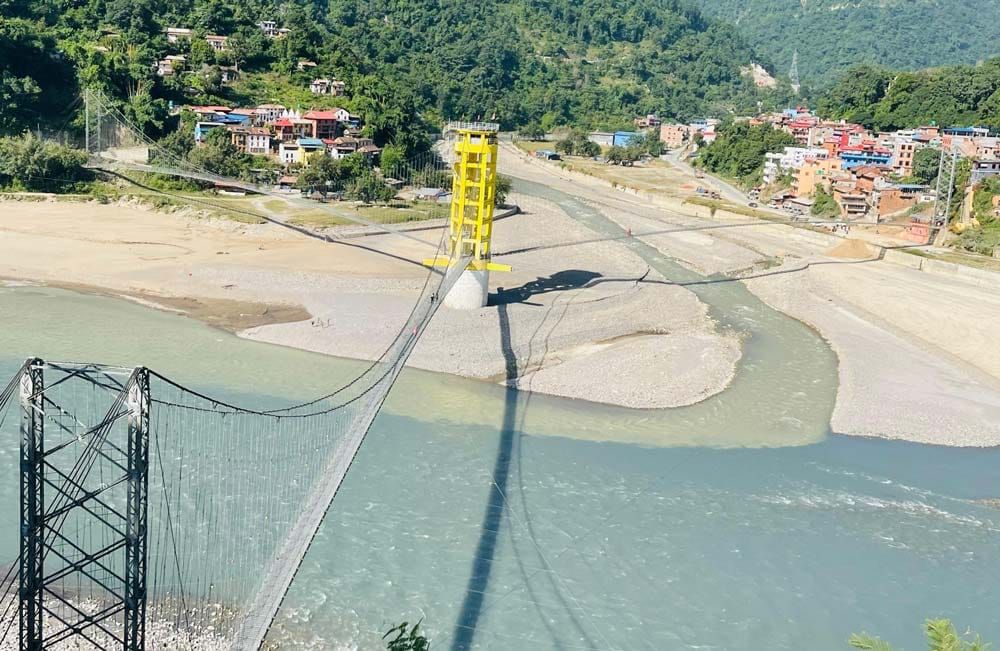
Destination image from the NepalPick media library. Optimized local asset.
Seen along the way
Complete planning guide
Research-based framework, last reviewed 14 July 2026. Operational details — roads, flights, lodges, permits, fees — change; items marked for verification must be reconfirmed before booking.
The sacred confluence of the Ridi Khola and Kali Gandaki — shaligram country, temple ghats, and pilgrimage rhythm — extended into Gulmi's Magar mid-hills toward the forested Satyawati lake area. Modest, genuine, and almost tourist-free.
Road · 1.5–2.5 hours
Road + short walks · Reshuffles the same days
No flight, road, bridge, or lodge on this page is promised to operate on a given day — that is Nepal, honestly stated. Build the margins this page recommends.
Morning: Drop through the gorge to the confluence town.
Route and pace: Ghat-and-lane wandering.
The experience: Rishikesh temple, bathing ghats, and the shaligram-bearing river — a working pilgrimage economy on an intimate scale.
Overnight and meals: Simple lodge in Ridi.
Key risk / decision: Festival days transform crowd, price, and lodging — check the calendar and choose deliberately.
Fallback: Return to Tansen to sleep if lodging is full.
Morning: Cross into Gulmi and climb into Magar farm country.
Route and pace: Road then village trails; the day bends to transport reality.
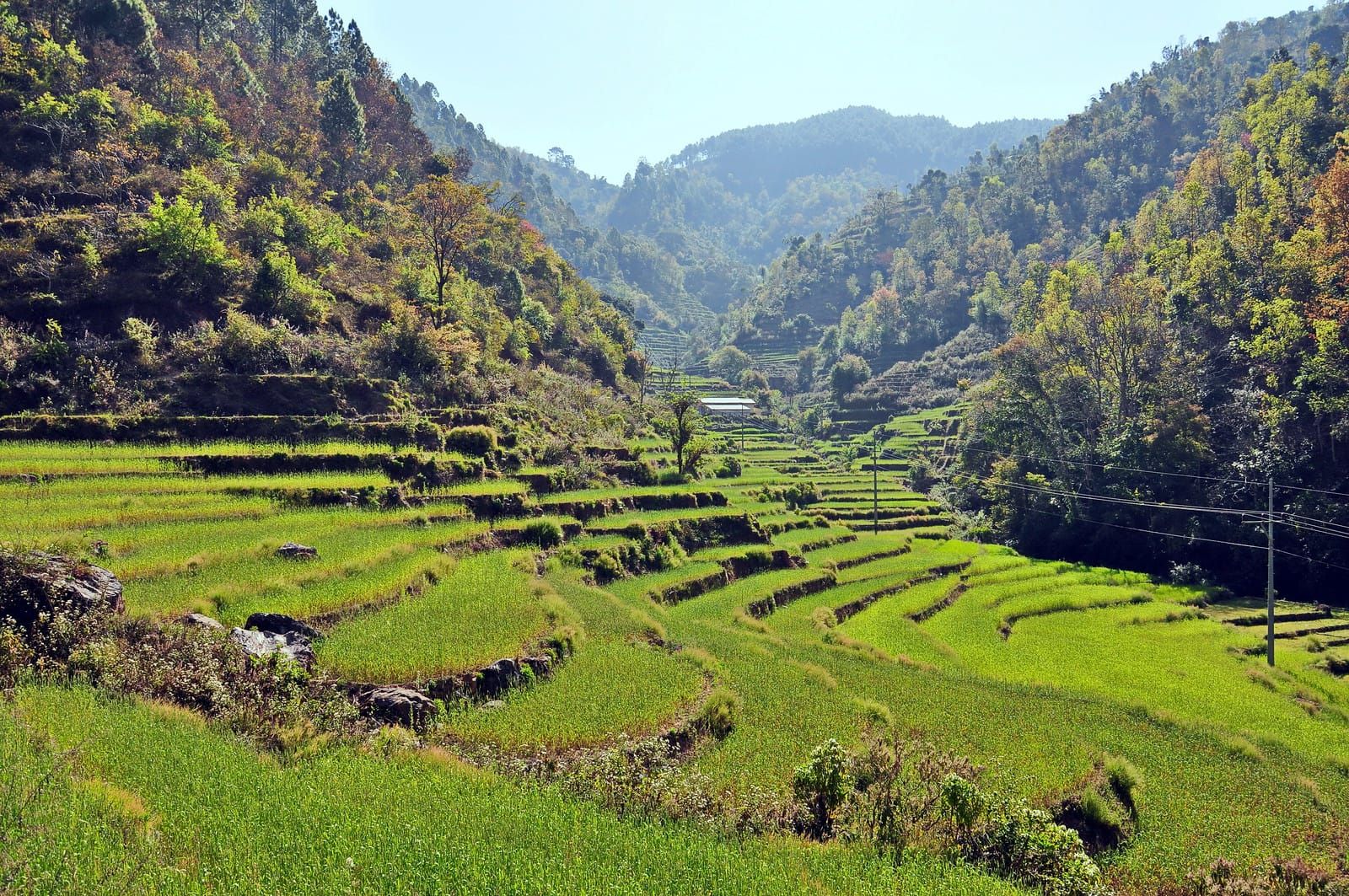
The experience: Terraced middle-hills Nepal utterly without tourism infrastructure — that is the feature.
Overnight and meals: Pre-arranged community homestay.
Water: Treat everything.
Key risk / decision: Transport links here are informal — build slack, hold plans loosely.
Fallback: Tamghas-based variant if the direct link fails.
Morning: Forest walk to the sacred lake and its temple.
Route and pace: Unhurried loops with local guidance.
The experience: The lake's pilgrimage quiet (major crowds only at festival), birdlife, and village hospitality that hasn't learned to perform.
Overnight and meals: Homestay again.
Key risk / decision: Trails are local-knowledge terrain — go with a host.
Fallback: Village-only day in poor weather.
Morning: Back through the hills.
Route and pace: —
The experience: The slow unwinding to the highway.
Overnight and meals: Tansen, Butwal, or onward.
Key risk / decision: Same informal-transport caveat.
Fallback: Morning buffer absorbs it.
| Season | Typical character | Trails, roads, lodges, flights | Think twice if |
|---|---|---|---|
| Mar–May | Warm to hot in the river gorge; pleasant in the hills; haze builds. | All workable; carry water for heat. | Gorge-heat haters by May. |
| Jun–Aug | Monsoon: swollen sacred rivers, green hills, muddy links. | Rural roads suffer most in the collection's mid-hills; expect changes. | Anyone on a fixed clock. |
| Sep–Nov | Clear and comfortable; harvest and festival season — the best window. | Best conditions. | Nobody; mind Maghe/other festival crowd dates by choice. |
| Dec–Feb | Cool, dry; cold hill nights, mild gorge days; Maghe Sankranti (January) is Ridi's great gathering. | Fine; fog possible low. | Crowd-averse travellers on festival dates — or come precisely then, knowingly. |
Seasonal patterns, not forecasts. Temperatures vary dramatically with altitude on the same day — pack by elevation range.
Simple lodges at Ridi; arranged community homestays in Gulmi. Nothing polished exists — pre-arrangement is the difference between welcome and awkwardness.
Home cooking in the hills, bazaar meals at Ridi. Treat all water.
Town coverage at Ridi; patchy in the hills. Normal power with outages.
Cash throughout; small notes for temples and homestays.
| Requirement | Amount | Authority | Note |
|---|---|---|---|
| None required | — | — | No park or restricted area; temple donations discretionary. |
Guide requirement: No requirement, but the Gulmi leg without local arrangement is guesswork — a Tansen-based guide or homestay coordinator converts it from gamble to visit.
| Band | USD (per person) | NPR (approx.) | What it buys |
|---|---|---|---|
| Budget local-service | USD 200–300 | NPR 31,000–NPR 46,000 | Local jeeps, simple lodges, homestays. |
| Recommended guided | USD 300–450 | NPR 46,000–NPR 69,000 | Private vehicle, guide, arranged homestay chain. |
Contingency: 10–15% — transport informality is the variable.
Planning ranges per adult, twin-share, for the recommended duration from the stated gateway — not quotes. NPR conversion uses the Nepal Rastra Bank selling rate of USD 1 = NPR 153.3 reviewed 31 August 2026, rounded to the nearest NPR 1,000; bank, card, and cash rates differ. Excludes international airfare, visa, insurance, tips, and personal spending unless stated.
If things change: Hold the Gulmi leg loosely: if links fail, Ridi + Tansen still make a complete, satisfying trip.
Ridi itself is road-served and ghat-level flat in its core — genuinely visitable with limited mobility. The Gulmi extension is not.
Research draws on the following, alongside NepalPick’s editorial method. Last reviewed 14 July 2026; recheck official sources on the day you book.
Travel well
Leave the route better understood, not more heavily used.
Refill water instead of buying disposable bottles. Carry batteries and nonorganic waste back to a proper disposal point. Ask before photographing people, homes, rituals, or livestock.
Use local guides, community lodges, and locally produced food where possible. Respect seasonal closures, wildlife distance, sacred landscapes, and the right of communities to say no.