Why NepalPick recommends it
Why Pokhara Slow Travel rewards curiosity
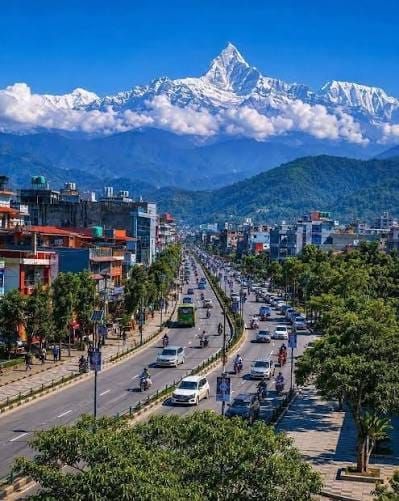
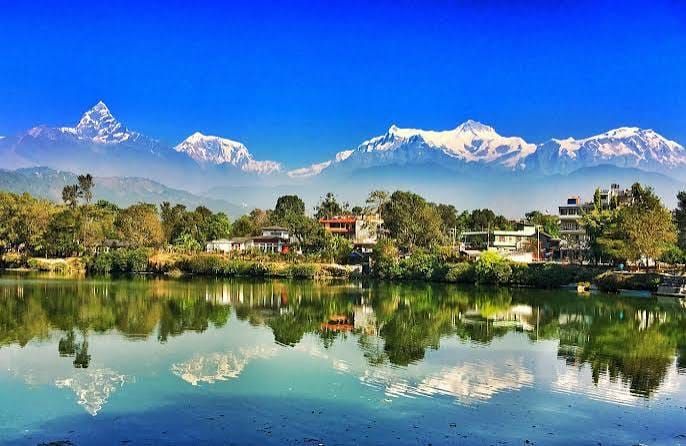
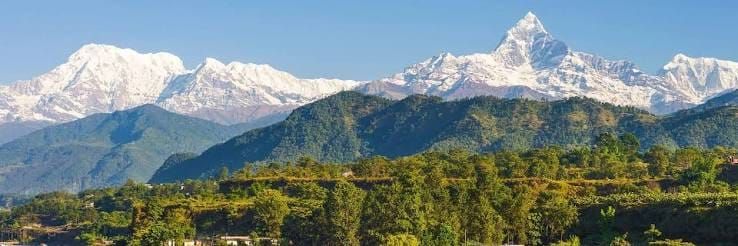
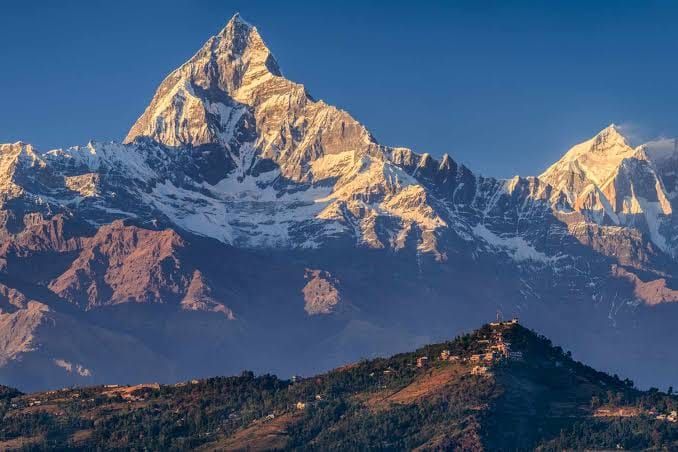
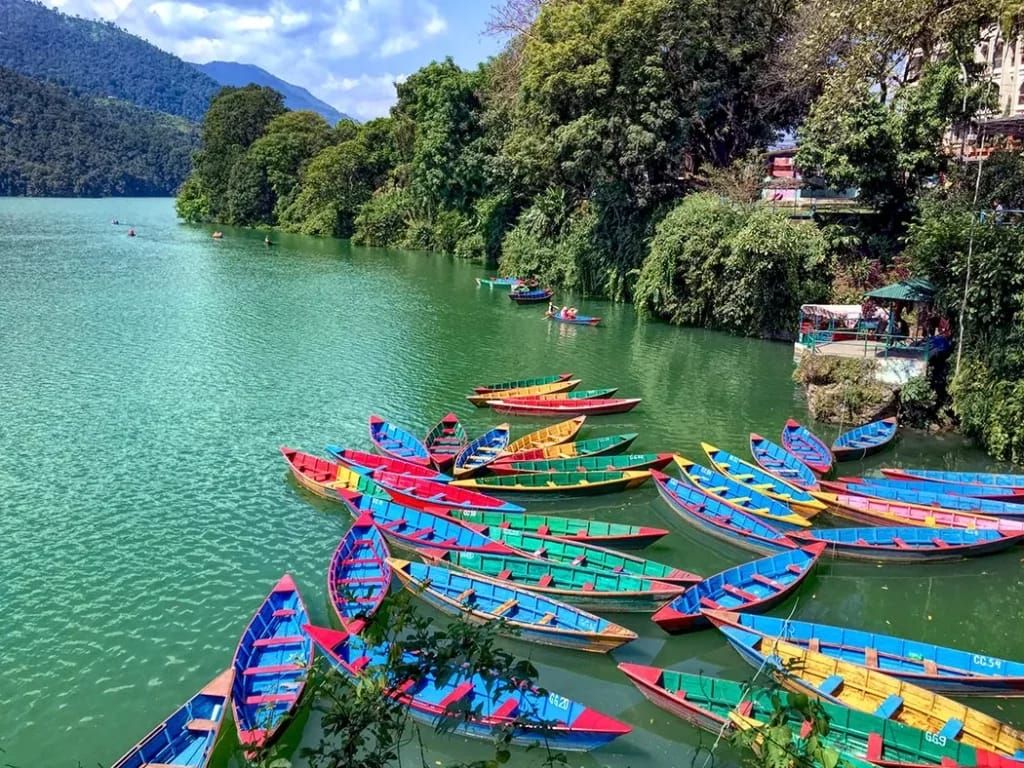
Use Pokhara as more than a trek gateway: watch sunrise over Machhapuchhre, paddle or walk beside Phewa Lake, visit World Peace Pagoda and Pumdikot, and add quieter village or waterfall days that support local guides and small businesses.
The journey offers space to notice how the landscape changes, eat what is seasonal, and let local knowledge shape the day. The point is not to collect sights. It is to understand why this place feels different from Nepal’s familiar routes.
Start early for mountain views, avoid crowding sacred lakeside spaces, and choose licensed adventure operators for paragliding, boating, biking, or canyoning.
Pokhara’s slower pace and lake views also make it one of NepalPick’s recommended bases for remote work, for travellers combining a longer stay with focused working days.
Getting there
Build in margin
Pokhara Slow Travel is usually reached by road from a regional hub in Gandaki, without the multi-day walk-in that longer routes require. Even so, rural roads can be affected by weather and seasonal repairs, so build a little slack into arrival and departure days.
Sleep and eat
Simple, local, memorable
Accommodation near Pokhara Slow Travel is generally the most comfortable option in this collection, ranging from small local hotels to community-run guesthouses. Prioritise locally owned options and ask about seasonal food rather than defaulting to generic tourist menus.
Permits and guides
Check before booking
Pokhara Slow Travel does not sit within a restricted area, but local customs, monastery rules, or community protocols may still apply. Ask your guide or host directly what is expected before photographing rituals, entering homes, or visiting sacred sites.
Budget character
Where the cost goes
A trip built around Pokhara Slow Travel is usually one of the more affordable options in the collection, with local transport, guide fees, and modest accommodation as the main costs. Even so, ask what is included in any quoted price rather than assuming park or entry fees are covered.