Why NepalPick recommends it
Why Koshi Tappu rewards curiosity
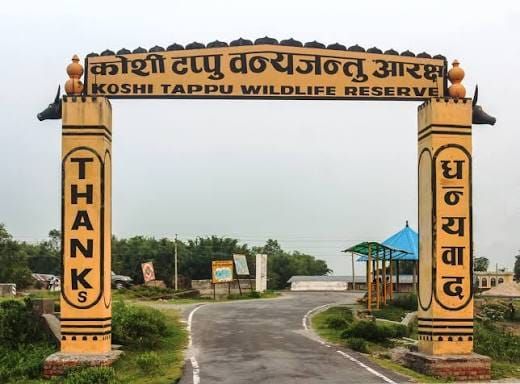
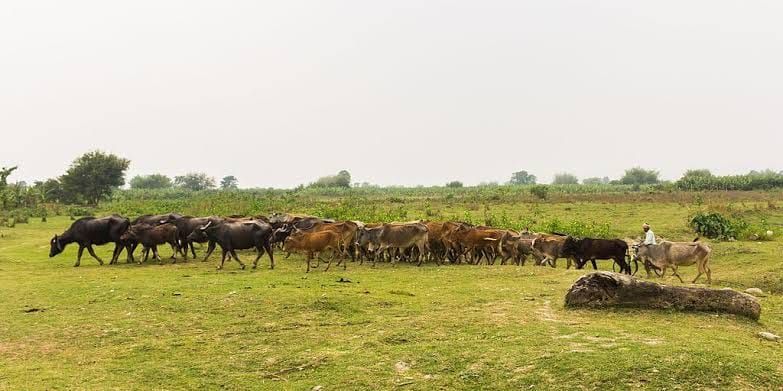
Explore river islands, grasslands, and villages around Nepal’s great eastern wetland, known for waterbirds and the country’s last wild water buffalo population.
The journey offers space to notice how the landscape changes, eat what is seasonal, and let local knowledge shape the day. The point is not to collect sights. It is to understand why this place feels different from Nepal’s familiar routes.
Use trained nature guides and keep generous distance from nesting and feeding wildlife.
Complete planning guide
Planning Koshi Tappu: itinerary, logistics, weather, and costs
Research-based framework, last reviewed 14 July 2026. Operational details — roads, flights, lodges, permits, fees — change; items marked for verification must be reconfirmed before booking.
Recommended3 days3 days / 2 nights; combinable with Dhankuta or an eastern circuit
Start / endBiratnagar (fly) or Kathmandu by road → reserve-edge lodge → return
Trip stylewildlifeEveryone from first-time birders to serious listers; flat terrain, gentle walking, dawn starts.
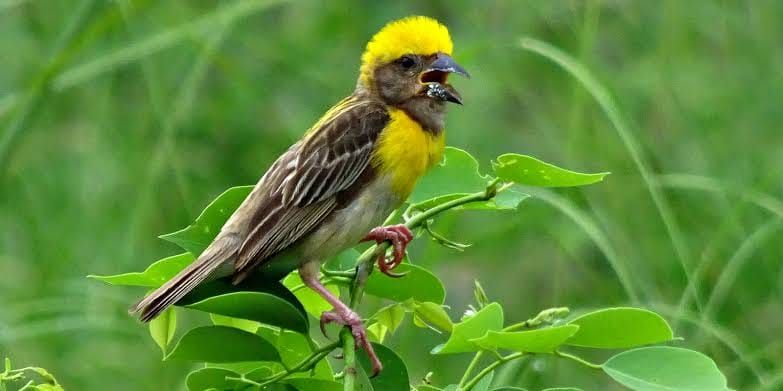
Nepal's premier wetland: a Ramsar-listed mosaic of river channels, grassland, and mudflats on the Sapta Koshi, home to the country's last wild water buffalo (arna) and a bird list beyond 500 species. Small, specialised, and best treated as a dedicated stay, not a drive-through.
Getting there: preferred and alternative routes
PreferredKathmandu → Biratnagar (fly) → reserve edge
Flight plus 1.5–2.5 hours road
- Works because
- Arrive for the sunset orientation the same day
- Trade-off
- Flight cost
- Vulnerable to
- Winter-morning fog at Biratnagar
- Book
- Days ahead; lodges will arrange pickup
- Reconfirm locally
- Pickup point and current lodge operation
AlternativeKathmandu → Koshi Tappu by road (via Itahari)
Road · 9–12 hours
- Works because
- No flight; combines with eastern itineraries
- Trade-off
- Long day on the east–west highway
- Vulnerable to
- Monsoon flooding near the barrage
- Book
- Bus days ahead or private vehicle
- Reconfirm locally
- Highway and barrage-area conditions in and after monsoon
No flight, road, bridge, or lodge on this page is promised to operate on a given day — that is Nepal, honestly stated. Build the margins this page recommends.
Day by day
Day 1Arrival → sunset wetland orientationTravel + 2–3 hours activity
Morning: Fly or drive east; reach the reserve edge by mid-afternoon.
Route and pace: Easy walk to the embankment for the evening spectacle.
The experience: First scan of the floodplain: ducks rafting in thousands (winter), the day's raptors, and orientation from your naturalist.
Overnight and meals: Wildlife camp or lodge at the reserve edge; fixed-menu meals.
Key risk / decision: None significant; heat in the warm months.
Fallback: Late arrivals still get the dawn — nothing essential lost.
Day 2Dawn birding → river/grassland excursion → village6–9 activity hours in two blocks
Morning: The core session: first light on the mudflats and grass edges when everything moves — watercock, swamp francolin, and the winter duck armadas.
Route and pace: Slow walking and long standing; a boat or raft section on the channels where water levels and safety rules allow.
The experience: Arna (wild water buffalo) viewed at honest distance, marsh specialists, and a Tharu village visit in the shaded afternoon.
Overnight and meals: Same lodge; log the day's list over dinner.
Water: Lodge-provided; carry a bottle on excursions.
Key risk / decision: Heat and sun on open flats; boat sections are strictly conditions-dependent.
Fallback: Embankment and forest-edge birding replace boats when the river says no.
Day 3Final dawn session → departure2–3 hours + travel
Morning: One last first-light walk — dawn two always differs from dawn one.
Route and pace: Unhurried, then breakfast and the road.
The experience: The list's late additions and the hardest goodbye in eastern Nepal.
Overnight and meals: Departure via Biratnagar or onward east.
Key risk / decision: Fog can slow morning flights in winter.
Fallback: Midday flights buffer the last session.
Weather through the year
| Season | Typical character | Trails, roads, lodges, flights | Think twice if |
|---|
| Mar–May | Heating steadily to serious pre-monsoon heat; passage migration adds species; haze grows. | All access fine; activity shifts to dawn/dusk only by May. | Heat-averse visitors after mid-April. |
| Jun–Aug | Monsoon: the Koshi swells, flooding is normal, access and activities contract sharply. | Lodges may close or restrict; boats stop; roads flood near the barrage. | Everyone except flood-ecology specialists with local arrangements. |
| Sep–Nov | Post-monsoon freshness, arriving winter migrants from October, comfortable temperatures. | Everything reopens; water levels still high early. | Nobody from mid-October. |
| Dec–Feb | Peak season: cool, dry, morning fog burning into perfect light, maximum duck and wader numbers. | All access good; fog can delay flights. | Nobody — this is the time. |
Seasonal patterns, not forecasts. Temperatures vary dramatically with altitude on the same day — pack by elevation range.
Things to do
- Dawn birding on the mudflats and grass edges (500+ species list)
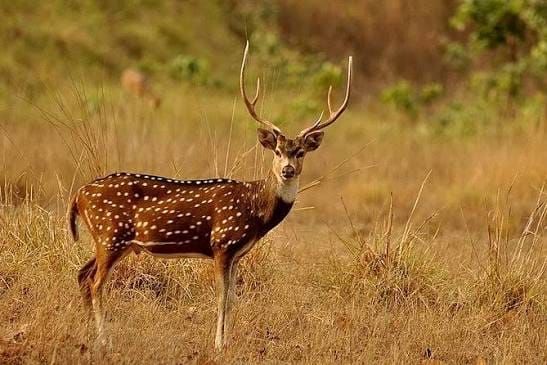
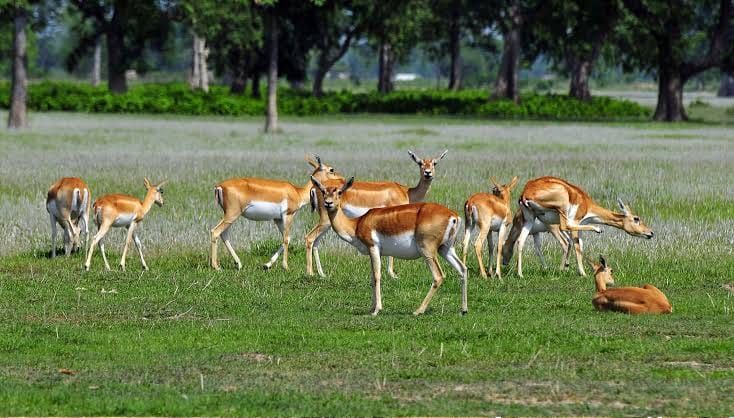
- Wild water buffalo (arna) viewing at ethical distance
- Channel boat or raft sections when conditions allow
- Tharu village and community visits
- Winter duck and wader spectacles in the thousands
On the ground
Accommodation
A small cluster of dedicated wildlife camps and lodges at the reserve edge — safari-tent or cottage style with fixed menus. Book ahead; capacity is genuinely limited.
Food and water
Lodge full-board is standard and good; vegetarian-friendly. Drink lodge-treated water.
Connectivity and power
Mobile coverage generally works; lodge power may be solar/generator with charging hours. Bring a power bank for camera batteries.
Cash and payments
Settle lodges in cash or by prior arrangement; nearest reliable ATMs are in Itahari/Biratnagar.
Permits and guide requirements
| Requirement | Amount | Authority | Note |
|---|
| Koshi Tappu Wildlife Reserve entry | Verify current NPR fee | DNPWC / reserve office | Payable per entry day; your lodge or guide arranges it with your passport. |
Guide requirement: Reserve activities require an authorised guide, and the difference between a walk and a masterclass here is the naturalist — ask your lodge specifically for their bird specialist.
What it costs
| Band | USD (per person) | NPR (approx.) | What it buys |
|---|
| Budget local-service | USD 250–350 | NPR 38,000–NPR 54,000 | Road access, simpler camp, shared activities. |
| Recommended guided | USD 350–500 | NPR 54,000–NPR 77,000 | Flights, established wildlife camp full-board with naturalist. |
Main cost drivers
- Access mode
- Full-board wildlife camp rates
- Specialist naturalist guiding
Typically included
- Transport per band
- Full-board lodge
- Reserve fees and guided activities
Not included
- International airfare, visa, insurance
- Optics rental, tips, drinks
Contingency: 10% — weather here shifts activities rather than wrecking budgets, except in monsoon.
Planning ranges per adult, twin-share, for the recommended duration from the stated gateway — not quotes. NPR conversion uses the Nepal Rastra Bank selling rate of USD 1 = NPR 153.3 reviewed 31 August 2026, rounded to the nearest NPR 1,000; bank, card, and cash rates differ. Excludes international airfare, visa, insurance, tips, and personal spending unless stated.
Packing essentials for this route
- Binoculars — non-negotiable here; one pair per person
- Neutral clothing, sun hat, high-SPF sunscreen
- Light layers for cool winter dawns
- Insect repellent year-round
- Camera with reach if you have it
Safety and contingency
- Sightings are never guaranteed; a good visit is measured by habitat understanding, not a species checklist.
- Animals always have right of way — keep generous distance, never pressure guides for close approaches, and follow park rules on foot activity.
- All park activities require an authorised, licensed guide.
- Heat management outside winter: dawn/dusk activity, shade discipline, electrolytes.
- Mosquito precautions year-round in a lowland wetland.
- Boat activity only with lodge-approved operators and conditions.
If things change: Water levels are the variable: high water moves activities to embankments and forest edge. Your species list survives; your boat ride may not.
Accessibility
Genuinely promising for limited-mobility travellers: flat terrain, vehicle-reachable embankment viewpoints, and lodge-based birding. Discuss specific needs with lodges — paths are earthen and unpaved.
Travelling responsibly here
- Keep generous distance from arna and nesting areas — heat-of-the-moment approaches are the reserve's chronic problem.
- No playback near breeding species; follow your naturalist's calls etiquette.
- Support Tharu community enterprises around the buffer zone.
- Take all waste out; wetlands forgive nothing.
Booking checklist
- Book the lodge and naturalist ahead (small capacity)
- Confirm reserve fee arrangements and carry passport
- Match season to purpose — winter for the spectacle
- Pack binoculars and repellent
- Leave fog margin on winter flights
Sources
Research draws on the following, alongside NepalPick’s editorial method. Last reviewed 14 July 2026; recheck official sources on the day you book.